
"Braun KF520"
270 article(s) found

The extraction method of coffee the core process of the extraction principle
When it comes to brewing coffee, there are many kinds of coffee-making equipment and different methods on the market. But in terms of the principle of coffee extraction, it's all the same. The core process of the extraction principle is: (1) grind coffee beans to increase the surface area of coffee in contact with water; (2) fully soak coffee powder in aqueous solution and hydrophilically dissolve coffee essence; (3) separate coffee solution and coffee grounds.

Do you know how to extract coffee? The core process of extraction principle
Many of us may choose instant coffee or go to a coffee shop for convenience, but there are also some coffee lovers who like to drink their own ground coffee. I wonder if you like to grind and extract your own coffee? Do you know the principle of extraction? The core process of extraction principle: 1. Grind coffee beans to increase the surface area of coffee in contact with water; 2. Coffee

What is the best water to make Rose Summer Coffee geisha of Barnabas Emerald Manor?
Boutique coffee (specialty coffee) is also called specialty coffee selection coffee. It refers to coffee made from a small number of raw beans with excellent taste grown in an ideal geographical environment. Depending on the special soil and climatic conditions in which they grow, they have outstanding flavor. After strict selection and classification, this kind of coffee is hard in texture, rich in taste and stylish.

Italian Coffee making course: detailed Analysis of Coffee extraction methods to make a good Coffee
When it comes to brewing coffee, there are many kinds of coffee-making equipment and different methods on the market. But in terms of the principle of coffee extraction, it's all the same. The core process of the extraction principle is: (1) grind coffee beans to increase the surface area of coffee in contact with water; (2) fully soak coffee powder in aqueous solution and hydrophilically dissolve coffee essence; (3) separate coffee solution and coffee grounds.

The basic chemical reaction of coffee knowledge during coffee roasting.
Many thermal and chemical reactions take place during baking: decarbonation, dehydration of quinic acid, subdivision, isomerization, polymerization, and complex sugar reactions (caramelization). The main components of the thermal reaction are monosaccharides and sucrose, chlorogenic acid, free amino acids, and fenugreek amide. Both aravinose and calactose in the polysaccharides are transferred, and the basic vulcanization process includes hydroxylamine.

Introduction to coffee roasting training-basic chemical reactions in the coffee roasting process
Professional coffee knowledge exchange more coffee bean information please follow the coffee workshop (Wechat official account cafe_style) Coffee roasting skills Collection | the purpose of coffee roasting and the characteristics of coffee beans except in the home-barista.com forum, the word MET is rarely seen. MET is not a number, but the most time segment in the whole baking process.

Blue Mountain Rose Summer 6.5% discount package! Wash Yega & Brazil 9.9! Hang up 19.9 ears in season! Free mail
Professional coffee knowledge exchange more coffee bean information please follow the coffee workshop (Wechat official account cafe_style) 520 true feelings discount! This special event [Qianjie Coffee] will offer you two kinds of selected ears, five kinds of concessionary rations beans and seven kinds of fine beans! A 20% discount for all single beans! There is also a blue mountain + rose summer 6.5% discount package! The gift is honorable! Before hanging up the ear

How does the sour and bitter in coffee come from?
Many thermal and chemical reactions take place during baking: decarbonation, dehydration of quinic acid, subdivision, isomerization, polymerization, and complex sugar reactions (caramelization).

The secret of using static electricity to remove the ultra-fine powder produced by grinding coffee and the floating skin grinder to make coffee
I usually use mazzer sj to grind my hands to make coffee, so I need a container to take the coffee powder out of the powder bin and put it into the worry bowl. I have tried to use Swiss gold or V60 directly in the powder outlet, but because it is not big enough, it looks even more messy after receiving the powder, so I am used to using a larger container to pick up the powder. Using static electricity to remove ground Coffee
Basic chemical reactions that occur during coffee roasting
Many thermal and chemical reactions take place during baking: decarbonation, dehydration of quinic acid, fragmentation, isomerization, polymerization, and complex sugar reactions (caramelization). The main thermally reactive components are monosaccharides and sucrose, chlorogenic acid, displaced amino acids, and trigonelline amide. Both aravinone and calactose in polysaccharides are transferred, and basic sulfurization contains hydroxyamino acids.

The benefits of coffee: coffee can improve brain performance and agility
Both employers and employees are used to reaching for a caffeinated drink when they need a little energy. Some people may prefer to get caffeine from sodas and energy drinks, but most consumers prefer to drink coffee directly. This dependence is likely to be caused by caffeine and seems to have an effect on mental agility and performance. What are the disadvantages?
The latest cup test of Kenya
Kenya is a neighbor of Ethiopia, but coffee was introduced at the end of the 19th century. Although it has a history of only more than 100 years, Kenyan coffee is now an important representative of the boutique coffee market. Kenyan coffee is graded according to the size of raw beans (sieve), raw beans into a PB, flat beans are mainly AA++,AA+,AA,AB,C,E and other grades. Beans above AA level are used on the 17th.
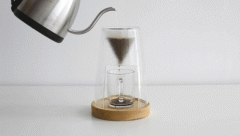
A hand-made coffee machine made by coffee lovers
MANUAL CoffeeMaker is a handmade coffee machine made by designer Craighton Berman for coffee lovers who are keen on hand-brewing, hoping to let people enjoy the coffee as well as the fun brought by the process.
Coffee and time.
Coffee, like time, always makes the deep things deeper and deeper, and the shallow things shallower and shallower. The lighter you read, the less you hurt. The more time passes, the cooler the coffee, the more you understand. Time tells us not to wait for the wrong person; coffee tells us not to hurt the wrong heart. Maybe we really have to go through a long time to understand, they really miss, in the end is how
Magic coffee machine
Although from the outside, the Blossom one does not seem to be any different except that it is bigger and more Geek than the average coffee maker. But the so-called big guy has great wisdom. The magic of Blossom one is that it contains a simple computer. By adjusting six variables related to coffee brewing, you can start grinding and making coffee according to your preference. Http://www.52!
Deep roasting coffee roaster Toper coffee roaster 180kg (gas) TKM-SX 180
Single production: 180kg raw coffee bean roasting time: 10 minutes-shallow baking, 15 minutes-deep roasting quantity: 1080kg/ hours = shallow roasting, 720kg/ hours = deep roasting methods: heat conduction equipment, semi-hot air (semi-direct fire), hot air burning body single production: 180kg raw coffee beans baking time: 10 minutes-shallow baking, 15 minutes-deep baking
The basic chemical reaction of coffee roasting process
Many thermal and chemical reactions take place during baking: decarbonation, dehydration of quinic acid, subdivision, isomerization, polymerization, and complex sugar reactions (caramelization). The main components of the thermal reaction are monosaccharides and sucrose, chlorogenic acid, free amino acids, and fenugreek amide. Both aravinose and calactose in the polysaccharides are transferred, and the basic vulcanization contains hydroxylated amino acid.
The basic chemical reaction that takes place during coffee roasting.
Many thermal and chemical reactions take place during baking: decarbonation, dehydration of quinic acid, subdivision, isomerization, polymerization, and complex sugar reactions (caramelization). The main components of the thermal reaction are monosaccharides and sucrose, chlorogenic acid, free amino acids, and fenugreek amide. Both aravinose and calactose in the polysaccharides are transferred, and the basic vulcanization process includes hydroxylamine.

The basic chemical reactions that take place during coffee roasting
Many thermal and chemical reactions take place during baking: decarbonation, dehydration of quinic acid, subdivision, isomerization, polymerization, and complex sugar reactions (caramelization). The main components of the thermal reaction are monosaccharides and sucrose, chlorogenic acid, free amino acids, and fenugreek amide. Both aravinose and calactose in the polysaccharides are transferred, and the basic vulcanization process includes hydroxylamine.
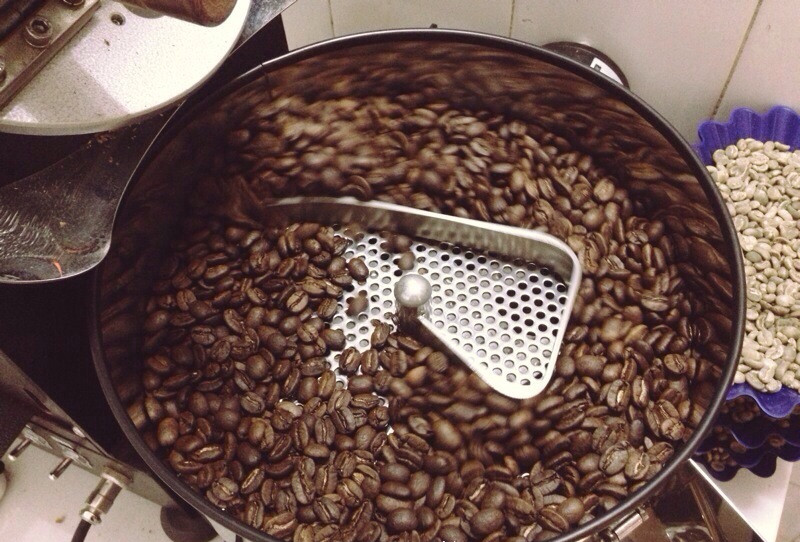
Basic chemical reactions of coffee beans during coffee roasting
Many thermal and chemical reactions take place during baking: decarbonation, dehydration of quinic acid, subdivision, isomerization, polymerization, and complex sugar reactions (caramelization). The main components of the thermal reaction are monosaccharides and sucrose, chlorogenic acid, free amino acids, and fenugreek amide. Both aravinose and calactose in the polysaccharides are transferred, and the basic vulcanization process includes hydroxylamine.